Philadelphia
The Wisdom of CrowdsPhiladelphia is the setting for a weekend experiment in public deliberation: in January 2003, 343 people selected to represent an almost perfect cross-section of the American population gathered there to debate foreign policy. The event embodies a central possibility in the book’s account of collective judgment: ordinary people, given balanced information and time to discuss difficult questions, can contribute meaningfully to political decisions.
The National Issues Convention
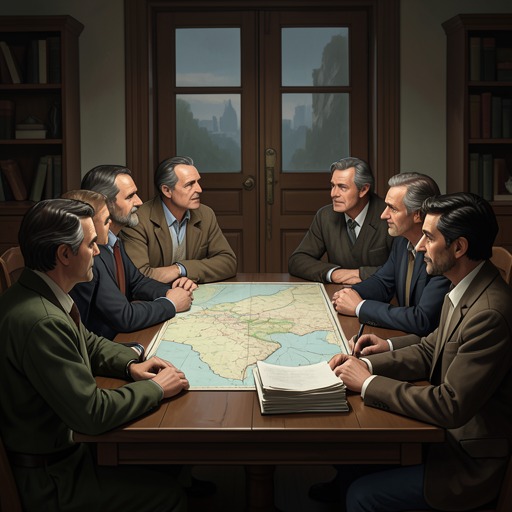
The gathering, formally called the National Issues Convention Deliberative Poll, addressed issues including the impending conflict with Iraq, nuclear proliferation, and the global AIDS epidemic. Before the weekend, participants were polled about their views, then sent briefing materials designed to present relevant facts and the ongoing debates evenhandedly. In Philadelphia, they met in small groups with trained moderators and questioned panels of competing experts and political figures. A second poll at the end of the weekend measured how deliberation had affected their positions.
A different model of public judgment
Political scientist James Fishkin devised the deliberative poll out of frustration with the limits of conventional polling and concern that Americans were not given enough information or opportunity to make intelligent political choices. The Philadelphia event put that proposal into practice: rather than treating an initial poll as a sufficient account of public opinion, it gave participants both preparation and structured discussion before asking again what they thought.
Fishkin’s premise was that political debate need not be confined to experts and policy elites. With adequate information and the chance to talk matters over with peers, ordinary people could understand complex issues and make meaningful choices. The process therefore joined two elements often separated in politics: access to competing expertise and judgment formed through discussion among citizens.
Ambition and limits
Fishkin hoped deliberative polling might become a regular nationwide process, supplementing or even replacing traditional polls. He argued that these polls better reflected what American voters really thought about issues and should therefore matter more to politicians than an ordinary Gallup survey. But the Philadelphia model was time-consuming and expensive, making regular nationwide use difficult to imagine; the book also notes uncertainty about whether incumbent politicians would want voters to be better informed.
The event thus served as a concrete demonstration of an ambitious democratic idea, not proof that it could readily be adopted at national scale. Its carefully prepared participants and moderated weekend offered a contrast to polling conducted without deliberation, while its practical costs and uncertain political reception marked the limits of that model.